
Produkt
E+H Soliwave FDR57 Microwave Barrier Receiver
Endress+Hauser Soliwave FDR57 Sensor
The Endress+Hauser Soliwave FDR57 is a robust microwave barrier receiver designed for non-contact point level detection of bulk solids, powders, and container positioning in demanding industrial environments. Paired with a matching microwave transmitter (FDT57), it penetrates non-metallic vessel walls to deliver wear-free limit detection without direct contact with aggressive or abrasive media.
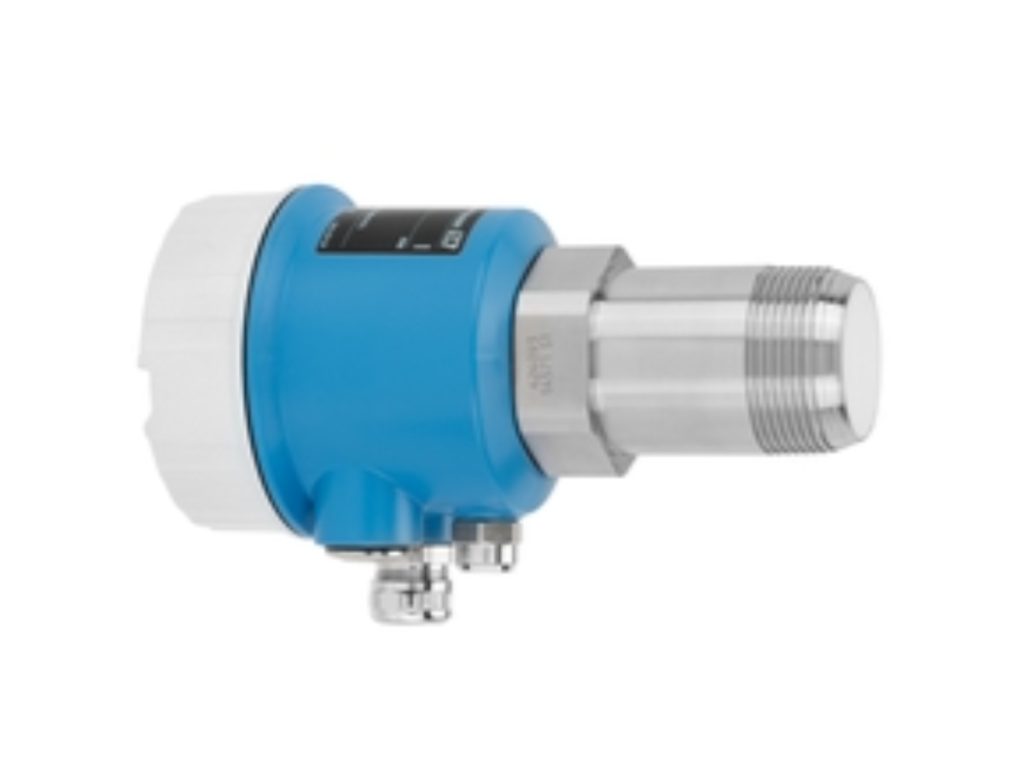
Non-Contact Microwave Limit Detection with Endress+Hauser Soliwave FDR57
The Endress+Hauser Soliwave FDR57 is a heavy-duty microwave barrier receiver engineered for non-contact point level detection, chute blockage monitoring, and object positioning in bulk material handling systems. Working as part of a transmitter-receiver barrier system (in combination with the Soliwave FDT57 transmitter), the FDR57 detects when the microwave beam is attenuated or interrupted by passing bulk solids, powders, or container walls. This non-invasive sensing technology makes it ideal for harsh processes where extreme temperatures, abrasive media, high pressures, or toxic substances prevent internal sensor mounting.
Advanced 24 GHz Microwave Barrier Technology
Operating in the high-frequency 24 GHz K-band spectrum, the Soliwave FDR57 receives focused microwave pulses emitted across the container or chute. Because 24 GHz microwaves penetrate non-conductive, non-metallic materials (such as sight glasses, plastic windows, ceramic plates, or wooden walls), the FDR57 can be mounted entirely outside the vessel. When the process medium fills the space between the transmitter and receiver, the microwave signal is absorbed or reflected, causing the FDR57 receiver to switch its output contact. This non-contact physical operation ensures zero mechanical wear, zero pressure loss, and complete immunity to internal vessel conditions.
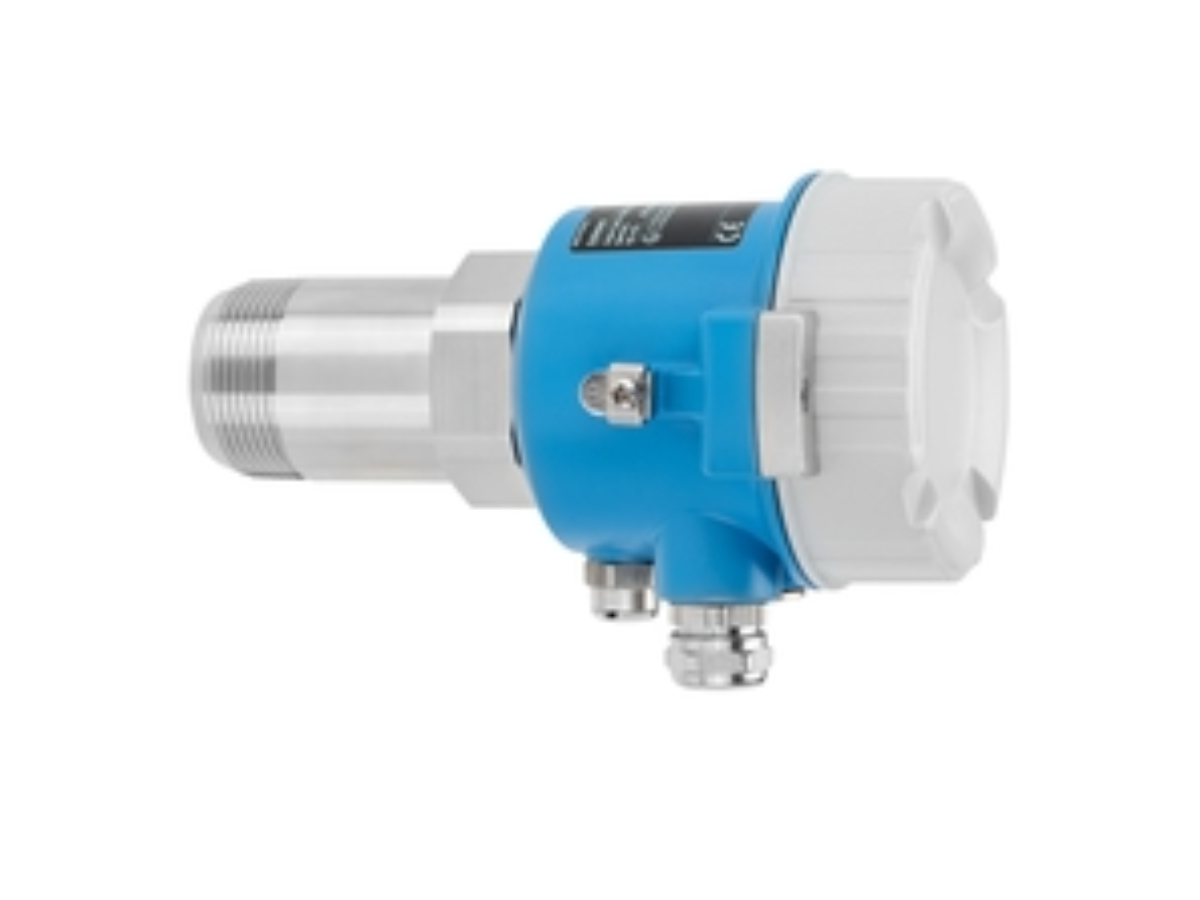 Key Performance Features & Operational Advantages
-
Completely Non-Invasive Sensing: Mounts behind non-conductive sight glasses, quartz windows, or PTFE plugs, eliminating direct contact with abrasive rocks, corrosive chemicals, or molten glass.
-
Immune to Severe Environmental Interference: Operates reliably through dense dust clouds, steam, fog, acoustic noise, airborne particles, and material scaling that cause optical, ultrasonic, or mechanical switches to fail.
-
Adjustable Sensitivity & Signal Hysteresis: Features local sensitivity adjustment and response time settings, allowing fine-tuning to differentiate between thin dust streams and solid material blockage.
-
Rugged Mechanical & Weatherproof Enclosure: Built with a heavy-duty housing rated IP66/IP67 (NEMA 4X), designed to withstand severe mechanical vibration, outdoor weather, and high ambient temperatures.
-
Hazardous Dust & Gas Certifications: Available with international ATEX, IECEx, and CSA explosion-proof approvals for safe installation in hazardous dust-explosion zones (Zone 20/21/22) and gas atmospheres.
Versatile Application Across Industrial Bulk Solids
The Soliwave FDR57 excels in applications where traditional internal probes fail due to mechanical abrasion or extreme thermal stress. It is widely utilized for high-level alarm signaling in aggregate bins, chute jam detection in mining conveyors, truck/wagon positioning in loading stations, and fill-level monitoring in high-temperature cement or fly ash silos.
Target Applications
-
Mining, Minerals & Cement: Aggregate hoppers, crusher chute blockage monitoring, cement clinker silos, fly ash ducts, and coal bunkers.
-
Chemical & Petrochemical: Non-contact limit detection in reactors, toxic powder bins, fertilizer silos, and plastic resin hoppers.
-
Wood, Paper & Energy: Wood chip chutes, sawdust collection bins, biomass fuel hoppers, and pellet conveying lines.
-
Food & Agriculture: Grain silos, sugar bins, animal feed hoppers, and flour transfer chutes.
-
Logistics & Material Handling: Truck and railcar positioning detection, container counting, and bag fill monitoring.
 Technical Specifications
| Parameter / Feature | Specification Details |
| Operating Principle | Non-contact Microwave Barrier Receiver (24 GHz K-band) |
| System Partner | Pairs with Soliwave FDT57 transmitter |
| Maximum Operating Distance | Up to 100 m (328 ft) depending on installation environment |
| Process Media | Bulk solids, powders, granules, coarse aggregates, containers |
| Ambient Temperature | -20 °C to +60 °C (-4 °F to +140 °F) |
| High-Temperature Adaptation | Unlimited process temperature when mounted behind ceramic/glass windows |
| Process Pressure Range | Dependent on process window rating (Unpressurized at sensor head) |
| Supply Voltage | 20 to 253 V AC/DC or 18 to 30 V DC |
| Signal Output | Relay contact (SPDT changeover) or PNP solid-state switch |
| Housing Materials | Die-cast aluminum or stainless steel |
| Ingress Protection | IP66 / IP67 (NEMA 4X) |
| Hazardous Approvals | ATEX, IECEx, CSA C/US, EAC Ex (Dust-Ex Zone 20/21/22) |
FAQ
Q1: Does the Soliwave FDR57 work as a standalone unit?
Answer: No, the Soliwave FDR57 is a microwave receiver that operates as part of a barrier pair together with a matching microwave transmitter (such as the Soliwave FDT57).
Q2: Can the FDR57 detect materials inside high-temperature or high-pressure vessels?
Answer: Yes, because microwaves pass through non-metallic materials, the FDR57 can be mounted externally behind quartz glass, ceramic, or PTFE windows, insulating the sensor from extreme internal vessel temperatures and pressures.
Q3: How does airborne dust or material buildup on vessel walls affect the FDR57?
Answer: The 24 GHz microwave signal easily penetrates dust clouds, steam, and moderate non-conductive material buildup on sight glasses, preventing false alarms.
Q4: What mounting options are available for the Soliwave FDR57?
Answer: The FDR57 can be mounted via threaded process connections, mounting brackets, or alignment flanges to ensure precise beam alignment with the transmitter.
Produktdokumente
Technische Dokumente freischalten.
Geben Sie einmal Ihre geschäftliche E-Mail und WhatsApp-Nummer ein, um alle Dokumente abzurufen.