
Produkt
E+H Oxymax COS61D Optical Dissolved Oxygen Sensor
Oxymax COS61D
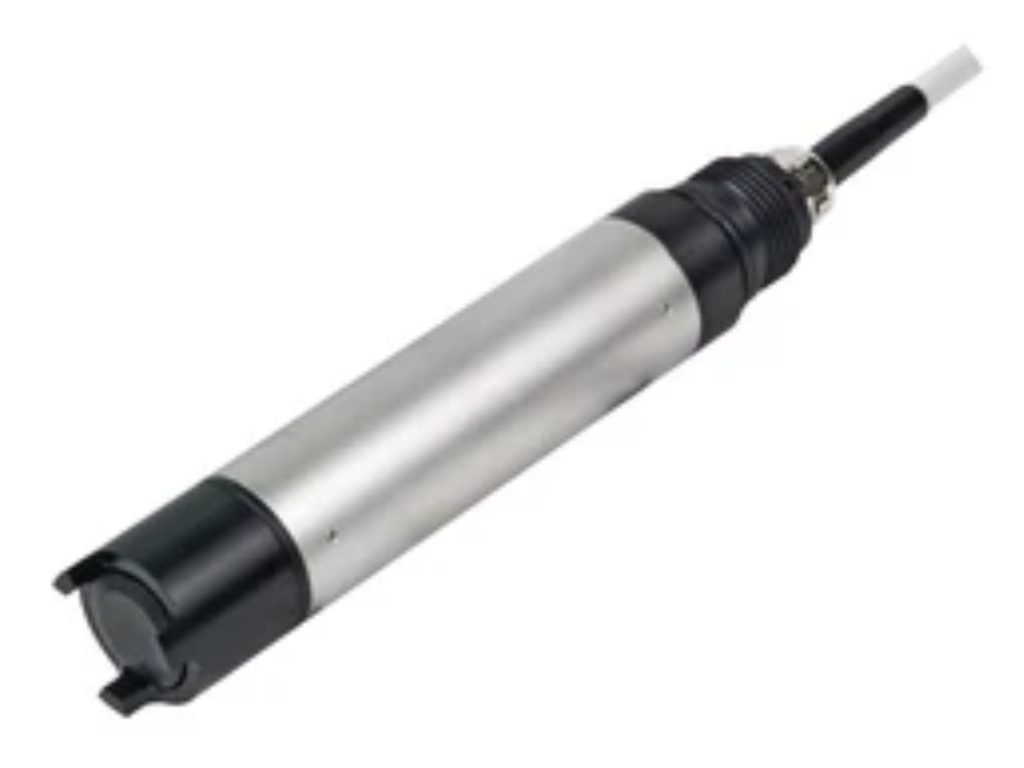
The Endress+Hauser Oxymax COS61D is a high-performance optical dissolved oxygen sensor built for demanding water and wastewater monitoring. Utilizing optical fluorescence technology and Memosens digital communication, it delivers stable, fast, and drift-free DO measurement without electrolyte changes or flow requirements.
Maintenance-Free Optical Measurement Technology
The Endress+Hauser Oxymax COS61D is an advanced optical dissolved oxygen sensor designed for continuous operational control in environmental and industrial liquid analysis. Operating on the principle of fluorescence quenching, the sensor measures dissolved oxygen molecules without consuming oxygen during the measurement process. This optical method eliminates the need for polarization time, electrolyte replacements, and minimum flow rates, offering long-term calibration stability and significantly reduced operating costs compared to traditional amperometric probes.
Durable Design and Intelligent Self-Monitoring
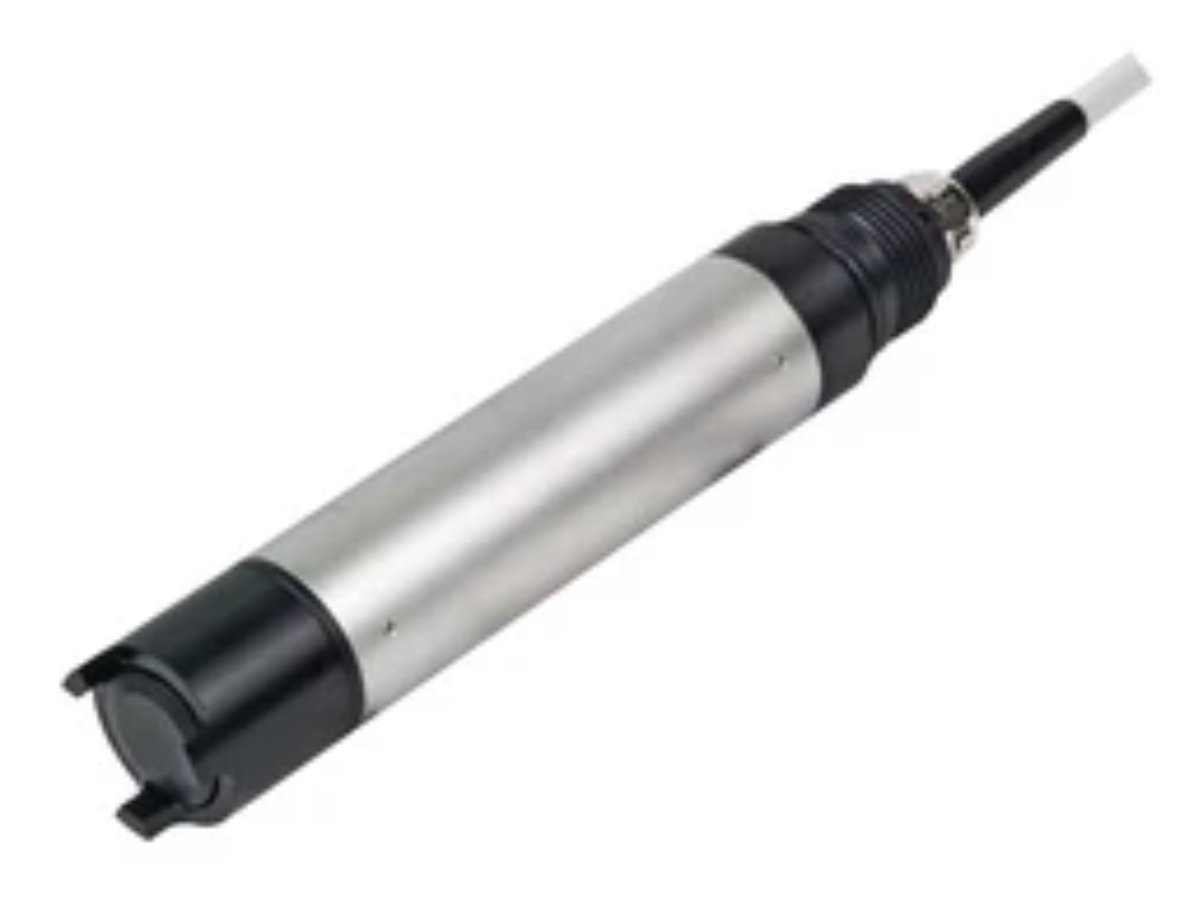
Engineered to withstand tough industrial environments, the COS61D features a rugged stainless steel or titanium housing with a chemical-resistant optical cap. Its intelligent design incorporates self-monitoring mechanisms to alert operators of fluorescent layer aging or sensor cap wear, ensuring uninterrupted reliability in heavy aeration basins and industrial wastewater streams. Fast response times ensure immediate detection of process fluctuations for optimized blower control and energy efficiency.
Memosens Digital Connectivity and Easy Integration
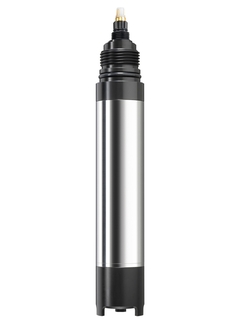
Equipped with Memosens digital technology, the Oxymax COS61D enables 100% moisture-proof, inductive signal transmission between the sensor head and connected transmitters. Calibration and history data are stored directly inside the sensor head, allowing laboratory pre-calibration and quick plug-and-play field swapping. The sensor integrates seamlessly with Endress+Hauser Liquiline multiparameter transmitters for flexible monitoring across municipal waterworks, industrial process lines, and environmental monitoring networks.
Applications
-
Wastewater Treatment Plants: Aeration basin O2 regulation, biological treatment monitoring, and effluent discharge monitoring.
-
Water Utilities & Drinking Water: Quality control in raw water, rivers, lakes, reservoirs, and distribution networks.
-
Industrial Utilities: Dissolved oxygen monitoring in cooling water, industrial wastewater, and boiler feed water.
-
Aquaculture & Fish Farming: Continuous DO monitoring for optimal oxygenation and aquatic health.
 Specifications
-
Measurement Principle: Optical fluorescence quenching technology.
-
Measured Parameters: Dissolved oxygen (mg/L, ppm, % SAT, or hPa) and temperature.
-
Measurement Range: 0.00 to 20.00 mg/L (0.00 to 20.00 ppm / 0 to 200% SAT).
-
Operating Temperature: -5 to 60°C (23 to 140°F).
-
Operating Pressure: Ambient up to max. 10 bar abs (145 psi abs).
-
Temperature Sensor: Integrated NTC 30k temperature sensor for automatic compensation.
-
Sensor Body Material: Stainless steel 1.4404 (AISI 316L) or Titanium.
-
Optical Cap Material: Stainless steel/Titanium with fluorescent optical layer.
-
Digital Protocol: Contactless inductive head with Memosens digital protocol.
FAQ
-
Q: Does the Oxymax COS61D require a minimum flow rate for accurate measurement? A: No, because the optical measurement principle does not consume oxygen, the sensor functions accurately even in stagnant liquids without sample flow.
-
Q: How often does the sensor require electrolyte or membrane replacement? A: The optical COS61D does not use electrolytes or delicate membranes. Maintenance is limited to occasional cleaning and replacing the optical cap when worn.
-
Q: Is the COS61D compatible with Liquiline transmitters? A: Yes, it features Memosens digital technology and connects directly to Endress+Hauser Liquiline multiparameter transmitters.
Produktdokumente
Technische Dokumente freischalten.
Geben Sie einmal Ihre geschäftliche E-Mail und WhatsApp-Nummer ein, um alle Dokumente abzurufen.